
Austria has a well-structured education system and offers children high-quality educational and development opportunities. As public schools are free of charge, they represent an attractive and reliable option for many families.
The Austrian education system supports children from an early age and provides a wide range of learning and development opportunities for different age groups. The focus is not only on the transfer of knowledge, but also on the personal and social development of pupils.
Through solid schooling, individual support and a stable learning environment, children in Austria are well prepared for their academic, professional and personal future.
In Austria, pre-school education plays an important role in giving children a healthy start to their educational journey. Municipal kindergartens are free of charge, and children are generally educated in these facilities from the age of three.
This helps parents better balance their professional and private lives. In addition, state support of up to 80% can also make private kindergartens more affordable for families.
In this way, Austria ensures that children have access to high-quality education from an early age.
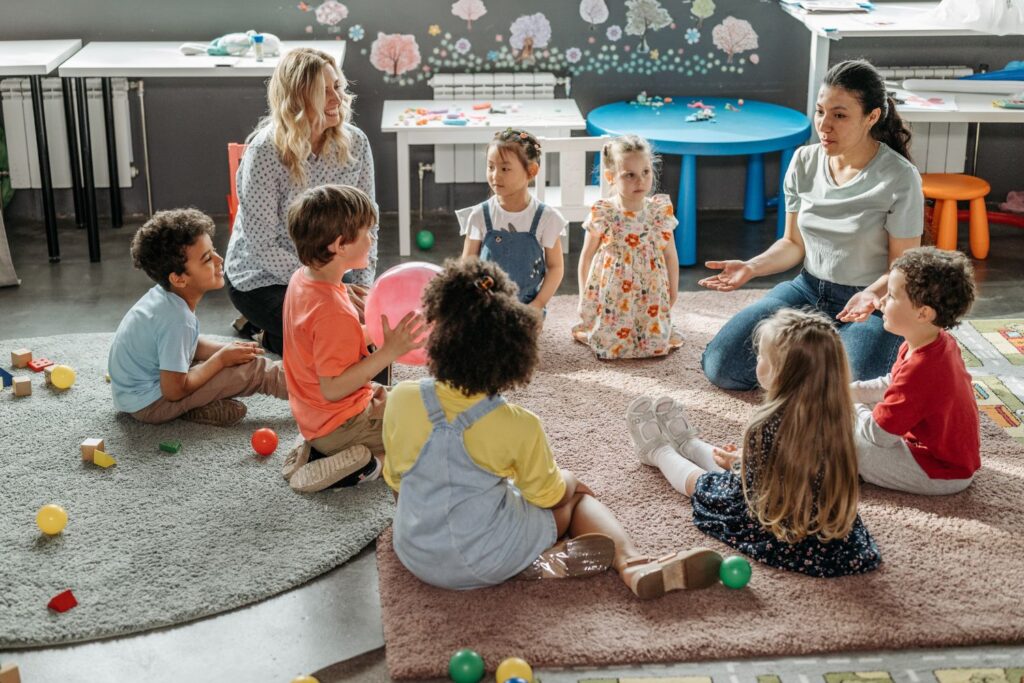
Early education plays an important role in Austria in giving children a strong start in their development and education. Kindergartens promote social skills, language development, independence and early learning processes from a young age.
Public childcare services are particularly affordable in many areas and are sometimes available free of charge. In addition, depending on the federal state, families may also receive financial support for private childcare costs.
This makes it easier for parents to balance work and family life, while children grow up from the beginning in a supportive and safe environment.
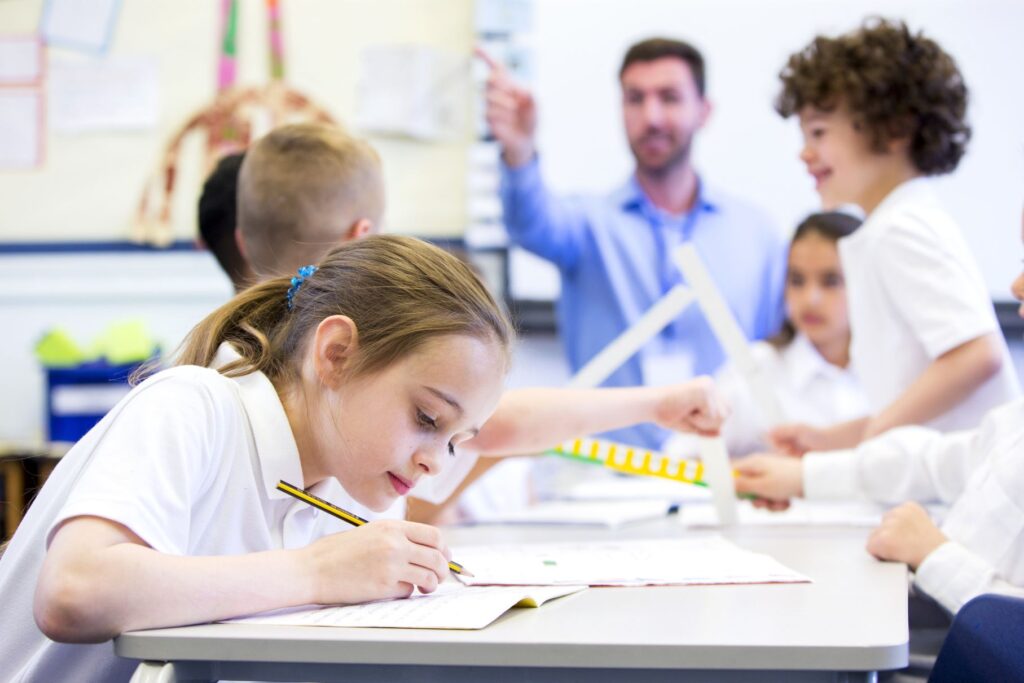
In Austria, compulsory schooling begins at the age of six and lasts for a total of nine years. After four years of primary school, children move on to a secondary school, which opens up different educational pathways.
Depending on their interests, abilities and future plans, pupils can choose between general academic and vocationally oriented types of school. Academic secondary schools primarily prepare pupils for higher education and university studies, while vocational schools provide practice-oriented knowledge and facilitate entry into the labour market.
In this way, the Austrian education system combines theoretical knowledge with practical skills and creates a solid foundation for personal and professional development.
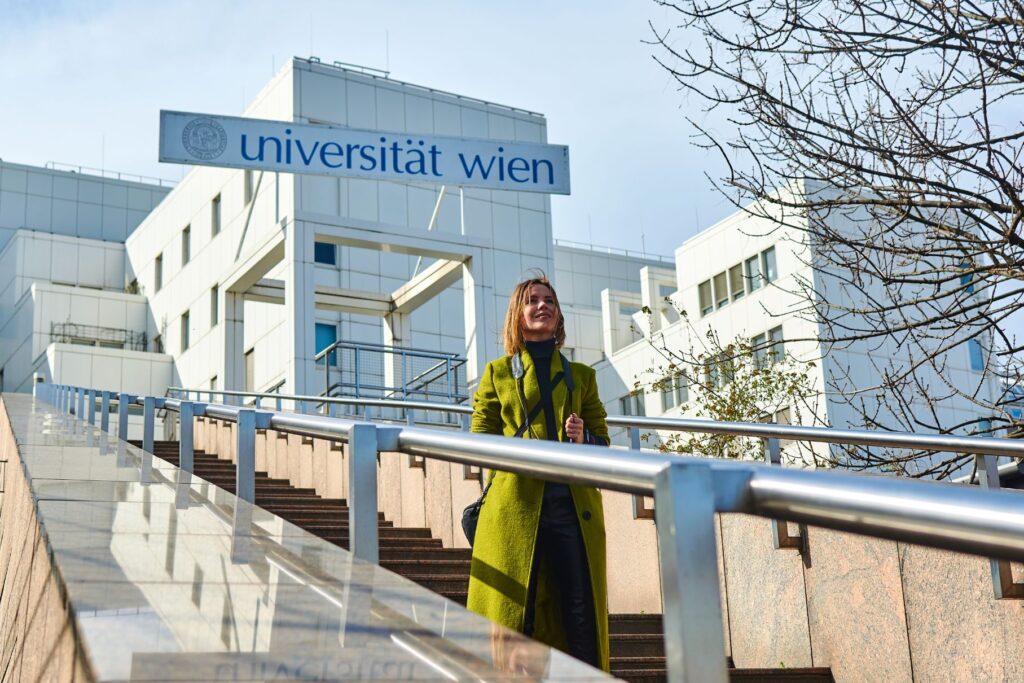
Austria has an established higher education system with universities that enjoy an excellent international reputation. Particularly in cities such as Vienna, Innsbruck, Graz and Salzburg, students can choose from a wide range of study programmes in a modern and culturally attractive environment.
Public universities in Austria offer comparatively affordable study conditions, making the country attractive for international students as well. In addition to receiving a sound academic education, students benefit from cultural opportunities, social exchange and an environment that promotes personal development and international perspectives.

Austria places great importance on foreign language education and international learning. English, in particular, plays an important role in schools, universities and professional life and is complemented by further language offerings.
Many educational institutions provide a wide range of foreign language programmes that specifically prepare pupils and students for an international environment. This creates favourable conditions for those who wish to expand their language skills and later pursue international study or career paths.
Austria places strong emphasis on equal opportunities in education and supports families in many different ways. Public education and childcare services are free of charge or particularly affordable in many areas, giving children good starting conditions regardless of their background.
In addition, various forms of funding and support are available to ease the burden on families in everyday school life and to facilitate children’s access to education.
In this way, Austria creates a stable environment in which young people can develop their abilities and gradually grow into a successful future.
In Austria, pre-school education plays an important role in giving children a healthy start to their education. Municipal kindergartens are free of charge and children usually attend them from the age of 3. This helps parents to better balance work and private life. In addition, with an 80% subsidy from the state, private kindergartens are also accessible to families. In this way, Austria guarantees that children receive a quality education from an early age.
Education in Austria starts with compulsory primary school education at the age of 6 and continues for 9 years. After 4 years of basic education, primary education leads students to secondary school. In secondary school, students can choose between different programs that lead to academic or vocational skills.
In high school, students tend to attend Gymnasium schools, where they can receive a more academic education, while vocational schools are also quite common. These schools allow students to make a faster transition to the labor market. The Austrian education system provides not only academic knowledge but also practical skills, giving students a solid foundation for their future careers.
Austria has a well-established system of higher education and its universities are respected worldwide. Universities in major cities such as Vienna, Innsbruck and Salzburg offer attractive study opportunities for both local and international students.
Public universities in Austria are characterized by low tuition fees and are among the most affordable higher education options in Europe. This makes Austria an attractive choice for international students wishing to study in Austria. Universities offer not only academic education, but also cultural and social activities to provide students with a comprehensive development opportunity.
Austria is also very comprehensive in terms of foreign language teaching. The demand for foreign languages such as English is increasing, especially in the big cities. Many schools and universities offer various foreign language programs to give students the language skills to compete internationally. This makes Austria an ideal country for students who want to learn languages and pursue an international career.
Austria aims to ensure equal opportunities in education and offers great support to families. In pre-school education, municipal kindergartens are free of charge. In addition, the state provides all the necessary equipment for children to start their education. In this way, every student who wants to study in Austria can take firm steps towards their future with the support they need.
For further information or individual consultation, please feel free to contact us.
