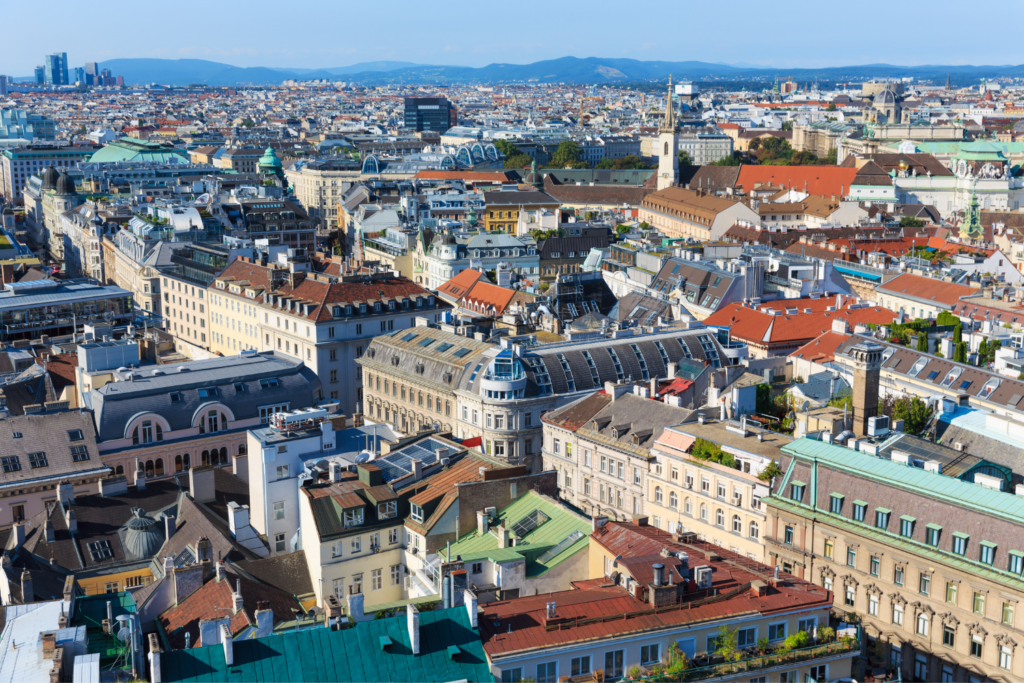
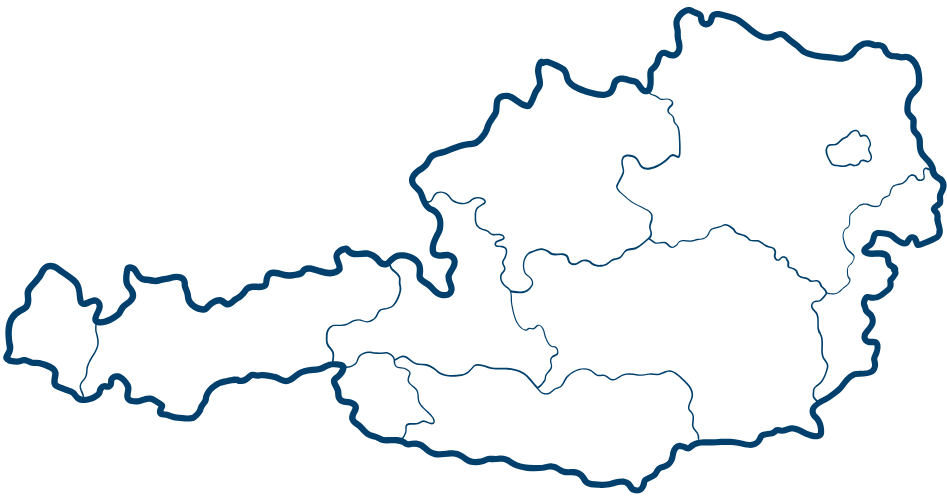
Austria is a country in Central Europe, distinguished by its rich historical and cultural heritage. This federal republic, whose capital is Vienna, consists of nine federal states, each with its own administrative powers.
Austria holds an important position both for its natural beauty and for its economic strength. Although the country is located in the heart of Europe, it also has a structure that combines modern life with traditional values. The official language of Austria is German. The country is a member of the European Union and uses the euro.
Vienna
Lower Austria
Upper Austria
Salzburg
Tirol
Tirol
Vorarlberg
Carinthia
Styria
Burgenland
Austria stands for a high quality of life, safety and stability. The country is characterised by a well-established democracy, a stable economy, a reliable healthcare system and an environmentally conscious way of life. Vienna and other Austrian cities, in particular, offer excellent transport connections, a diverse cultural landscape and a high standard of living.
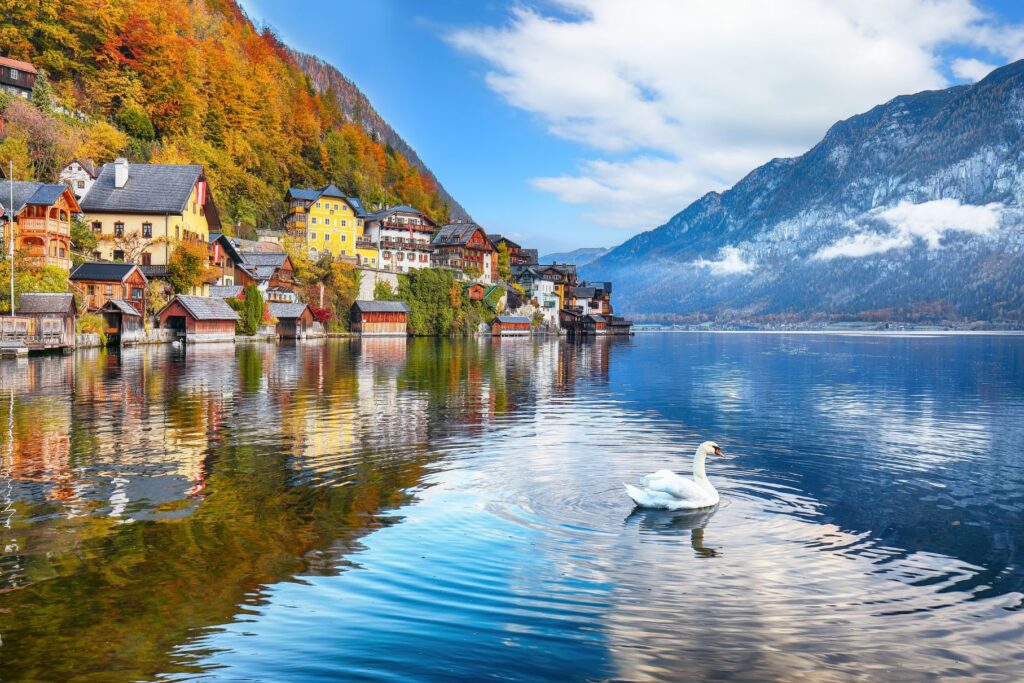
At the same time, Austria impresses with its remarkable natural environment: mountains, lakes and green landscapes create ideal conditions for recreation, leisure and a life in harmony with nature. Whether for professional opportunities, business stays or private life planning, Austria offers a stable, safe and attractive environment.
For anyone seeking a high-quality life in an economically strong and democratically stable country, Austria is an excellent choice.
Austria is considered one of the safest countries in the world and offers employees from third countries a stable and trustworthy environment. A high level of personal safety, reliable structures and family-friendly conditions create ideal foundations for a peaceful life and a successful professional new beginning.
Austria is one of Europe’s economically strong countries and stands out for its high per capita income, stable labour markets and reliable structures. This economic strength contributes significantly to the country’s high quality of life.
A good income level, social security and fair working conditions create attractive conditions for a stable life and long-term professional prospects in Austria.
Austria’s central location in Europe makes it particularly accessible. From Türkiye, the flight time is only around 2.5 hours, making Austria quick and convenient to reach for both professional stays and private visits.
In addition, the country’s central location offers excellent connections to many other European countries and enables comfortable travel throughout Europe.
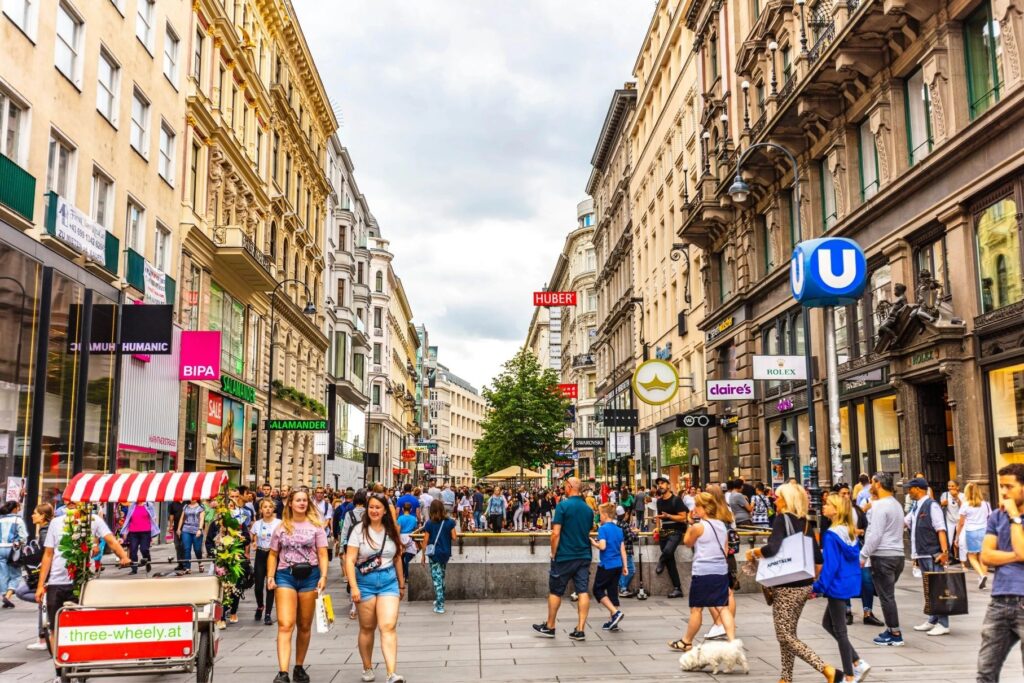
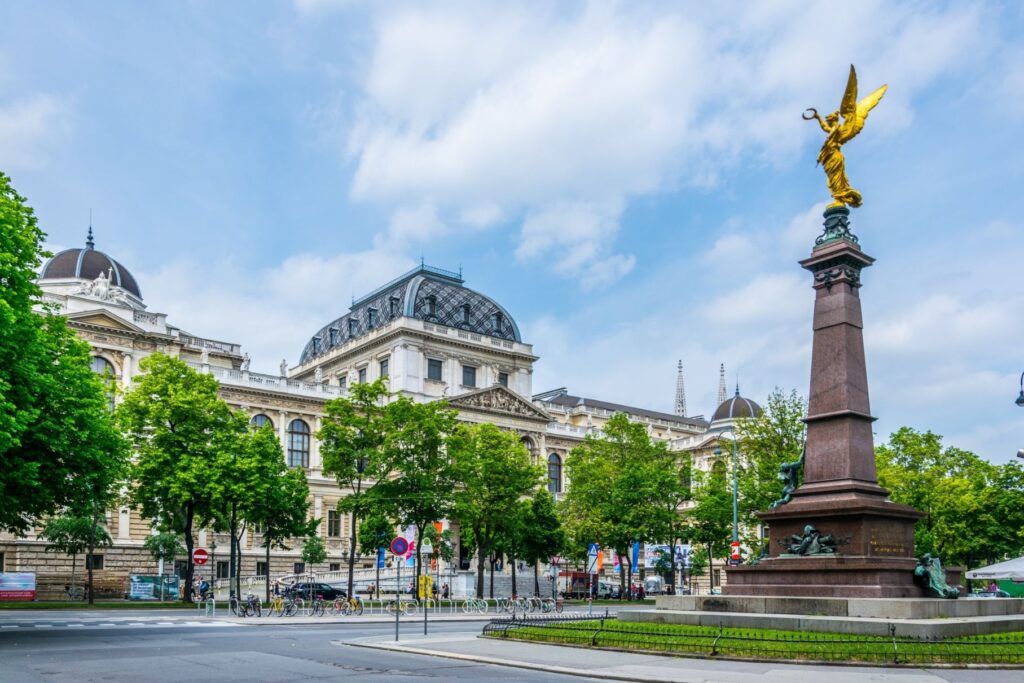
Vienna has been ranked among the world’s most liveable cities for many years. Well-planned urban development, generous green spaces, well-developed cycling infrastructure and an efficient public transport network all contribute significantly to this high quality of life.
The city combines comfort, safety and productivity, offering ideal conditions for people who wish to work and live in a modern and highly liveable environment.
Austria offers ideal conditions for an environmentally conscious lifestyle. Well-developed cycling paths, modern bike-sharing systems and sustainable mobility options make everyday life easier and promote responsible interaction with the environment.
Active environmental protection, intact nature and a high quality of life make Austria a country where modern living and closeness to nature come together harmoniously.
Austria offers professionals a stable, safe and attractive environment. A high standard of living, strong social security systems and family-friendly conditions create ideal foundations for both work and everyday life.
From health insurance and education to fair working conditions, people in Austria benefit from reliable structures and a high level of social security. In addition, strong employee rights ensure protection, fairness and reliability in professional life.
Anyone wishing to develop their career while enjoying a high quality of life will find excellent opportunities in Austria.
In Austria, weekly working hours usually range between 38 and 40 hours, depending on the sector and the applicable collective agreement. Overtime is generally compensated either through additional payment or time off in lieu.
Employees are entitled to at least 25 working days of paid annual leave per year. In addition, Austria has several public holidays, which contribute to rest and a better balance between professional and private life.
These clear regulations create fair working conditions and provide employees with a high level of security and quality of life.
In Austria, employees are protected by a comprehensive social insurance system. Health insurance provides access to high-quality medical care and is jointly financed by employers and employees.
In addition, the Austrian pension system provides an important foundation for financial security in old age. These social protections support employees in different life situations and contribute significantly to stability, trust and quality of life.
In Austria, employees benefit from strong protection through clear legal regulations, collective agreements and the important role of trade unions. Trade unions advocate for fair working conditions, appropriate wages, job security and social protection.
This strong representation of interests contributes significantly to protecting employee rights and creating a fair working environment.
Austria places great importance on vocational education, further training and the continuous development of professional skills. Through a wide range of vocational training opportunities, employees have the chance to expand their qualifications and actively advance their careers.
These continuous training and development opportunities not only strengthen individual career prospects, but also contribute to the high quality and performance of the Austrian labour market.
Austria places great emphasis on occupational health and safety. Clear legal regulations, regular inspections and high standards of workplace safety help reduce risks and create a safe working environment.
Employers are required to take appropriate measures to protect their employees. As a result, employees benefit from fair, protected and reliable working conditions.
Austria stands out not only for its high quality of life, but also for its diverse social and cultural life. Historic cities, impressive architecture, vibrant traditions and a wide range of leisure opportunities make the country an attractive place to live and work.
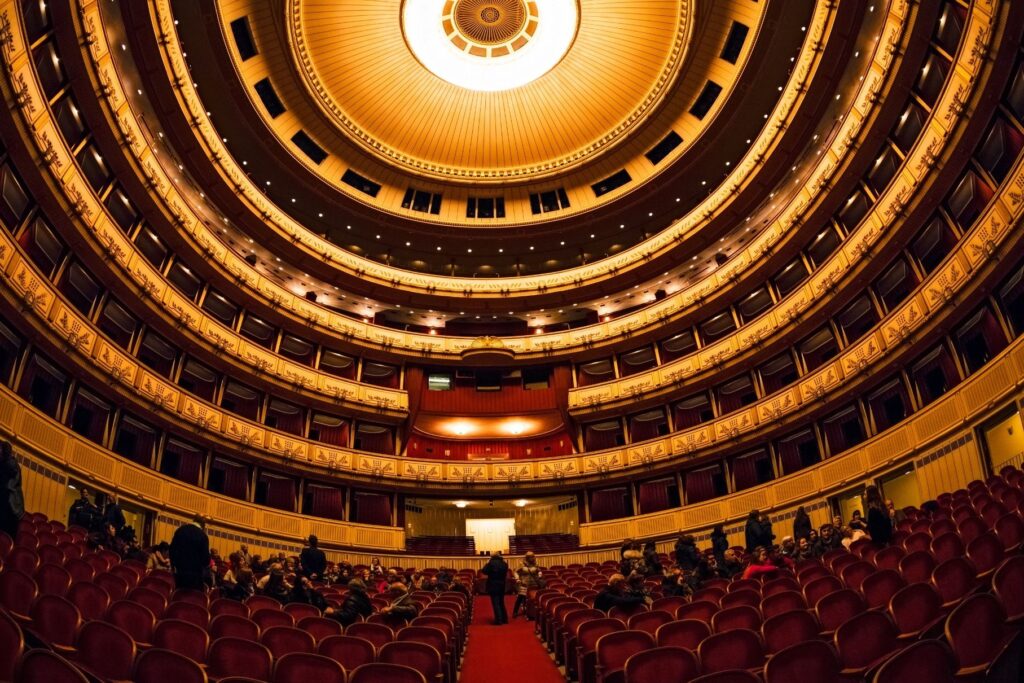
Vienna, in particular, is internationally renowned for art, music and theatre. Concerts, operas, theatre performances, museums and exhibitions offer numerous opportunities throughout the year to experience culture at the highest level.
Cities such as Graz, Salzburg and Innsbruck also enrich social life in Austria. Graz impresses with its young, urban atmosphere and cultural scene; Salzburg captivates with music, history and world-famous charm; while Innsbruck, with its location in the Alps, is especially attractive for nature and sports enthusiasts.
Nature also plays an important role in Austria’s social life. Mountains, lakes, parks and recreational areas create ideal conditions for leisure, sport and relaxation. Families also benefit from a safe environment, good educational opportunities and family-friendly structures.
In this way, Austria combines cultural diversity, social stability and a high quality of life close to nature in a unique way.
Vienna is a city closely associated with opera, theatre and classical music. The events held here throughout the year are a true highlight for art lovers. Music and theatre enthusiasts can always discover something new in this city.
With its rich culture, Austria appeals to people of all age groups. Art galleries, museums and cultural festivals throughout the country offer visitors a unique cultural experience.
Vienna stands for opera, theatre and classical music like hardly any other city. Throughout the year, numerous events take place, offering special experiences for art and culture lovers. Whether concerts, theatre performances, opera evenings or exhibitions – there is always something new to discover in Vienna.
Beyond Vienna, Austria also offers an impressive and diverse cultural landscape. Museums, art galleries, festivals and historic venues across the country create a unique cultural offering that appeals to people of all ages.
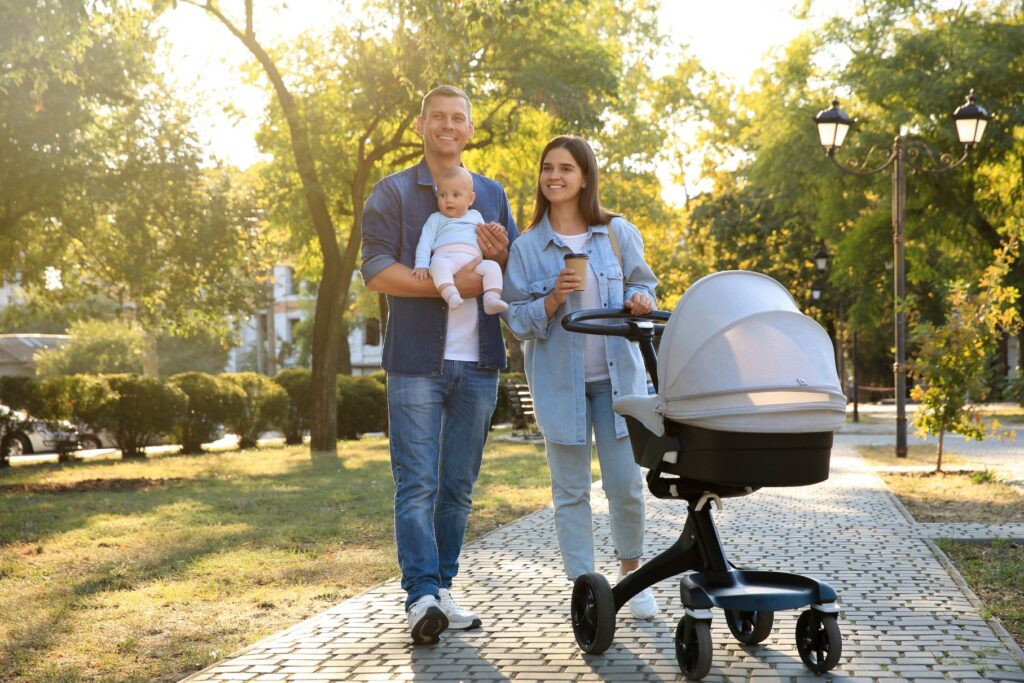
One of the most valued aspects of Austria’s social structure is its family-friendly approach. Families benefit from extensive public support services and are able to secure the educational and healthcare needs of their children effectively.
Parental leave is also comprehensively regulated in Austria and provides important support for families during the early stages of a child’s life. During this period, the state provides financial contributions that help relieve parents and contribute to stable family life.
Austria offers comprehensive support for families and creates favourable conditions for balancing professional and private life. Public childcare services are particularly affordable in many areas and are sometimes even free of charge. Depending on the federal state, families may also receive financial support for private childcare costs.
In addition, parents benefit from important services related to pregnancy, childbirth and child health. These support measures ease the burden on families in everyday life and make Austria a safe, supportive and family-friendly place to live.
Austria offers children numerous opportunities for leisure, physical activity and social development. Playgrounds, parks, sports activities and family-friendly events create a varied environment where children can stay active, discover new things and build social connections.
At the same time, these opportunities make it easier for families to participate in social life and help make everyday life enjoyable, safe and diverse.
Austria offers a high-quality education system with strong future prospects for children and young people. Public schools are free of charge and are complemented by foreign language education, special support programmes and a wide range of educational initiatives.
Many schools also offer multilingual or bilingual programmes, which can be particularly helpful for children from international families when adapting to the education system. In Austria, education does not only take place in the classroom: leisure activities, parks, playgrounds, sports and social activities also promote personal development and strengthen social interaction.
Austria combines urban life with impressive natural surroundings. Beautiful landscapes with mountains, lakes, forests and national parks can be reached within a short distance from the cities.
The Alps, clear lakes and numerous recreational areas offer ideal opportunities for nature lovers and active people. Whether hiking, winter sports, mountain biking or relaxing trips into the countryside – Austria offers a high level of recreational quality and plenty of space for leisure in nature throughout the year.
The impressive mountain landscapes of the Alps, idyllic lakes and extensive national parks make Austria a special place for nature lovers. They provide ideal opportunities for relaxation, exercise and outdoor activities – from hiking and cycling tours to winter sports and excursions into nature.
At the same time, these natural settings also enrich social life. Concerts, festivals and cultural events in alpine surroundings combine nature, culture and community in a special way.
Austria is a country where people from different backgrounds live together and enrich social life in many different ways. Especially in cities such as Vienna, Graz and Linz, different cultures, languages and traditions shape everyday life and create an open, vibrant environment.
Communities with diverse roots – including those from South-Eastern Europe, Central and Eastern Europe and many other regions – make an important contribution to culture, the economy and social life. Concerts, theatre performances, literary events, traditional celebrations and multicultural festivals promote exchange between people and make cultural diversity visible and tangible.
These encounters strengthen mutual understanding, tolerance and social cohesion. As a result, Austria offers a social environment that respects diversity and connects people from different cultures.
Vienna is a city synonymous with opera, theatre and classical music, and the events held here every year are a celebration for art lovers. Music and theatre enthusiasts can always discover something new in this city. Austria attracts people of all ages with its rich culture. Art galleries, museums and cultural festivals throughout the country offer visitors a unique cultural experience.
Austria offers significant support for childcare. Municipal nurseries provide free services throughout the country. In addition, 80% of the fees for private nurseries are covered by the state, making it easier for parents to balance their work and private lives. The fact that pregnancy, childbirth and child health services are free makes Austria a comfortable and supportive place for parents.
Austria offers countless playgrounds, parks and social activities for children. These activities contribute to children’s development while also making it easier for families to participate in social life. Every aspect of Austria’s social structure supports families in enjoying a pleasant and fulfilling life with their children.
The quality of education in Austria is very high. State schools are free and enriched with foreign language teaching and special education programmes. Many schools offer bilingual education, which is very convenient for foreign students and makes Austria’s education system even more attractive. Education is not limited to schools; it is supported by parks, playgrounds and social activities for children.
Austria offers a lifestyle intertwined with nature, adding a unique dimension to social life. Just a short distance from the heart of Vienna, you can reach the breathtaking views of the Alps. The Alps, lakes and national parks offer unique opportunities for nature lovers. Activities such as winter sports, mountain biking and hiking trails combine with Austria’s natural riches to offer countless options for those who want to spend time outdoors in every season of the year.
The Alps’ impressive mountain scenery, tranquil lakes and vast national parks are a true paradise for nature lovers. These natural areas offer unique opportunities for those interested in outdoor activities, while also enriching social life in Austria. Events such as concerts and festivals held in the Alps offer both cultural and natural experiences.
With its history of immigration and open social structure, Austria is home to one of Europe’s most remarkable multicultural societies. In large cities such as Vienna, Graz and Linz in particular, communities from different ethnic backgrounds live side by side, enriching social life.
The Turkish community, one of the most established immigrant groups in Austria, makes significant contributions to cultural life and the economy. There is a significant Turkish-speaking population in the country, which makes it possible to organise concerts, theatre performances, literary events and traditional festivals in Turkish. These events enable the Turkish community to keep its cultural heritage alive and interact with other cultural groups.
At the same time, Bosnian, Serbian, Croatian, Romanian, Polish and Czech communities are also an active part of social life in Austria. While these groups organise their own cultural events, mutual tolerance and interaction develop in shared living spaces. Multicultural festivals held in Vienna are important events that showcase different cuisines, music and traditions. In addition, Austria’s education system and public policies are notable for their structure that encourages intercultural dialogue.
Austria has a well-structured education system and offers children high-quality educational and development opportunities. As public schools are free of charge, they represent an attractive and reliable option for many families.
The Austrian education system supports children from an early age and provides a wide range of learning and development opportunities for different age groups. The focus is not only on the transfer of knowledge, but also on the personal and social development of pupils.
Through solid schooling, individual support and a stable learning environment, children in Austria are well prepared for their academic, professional and personal future.
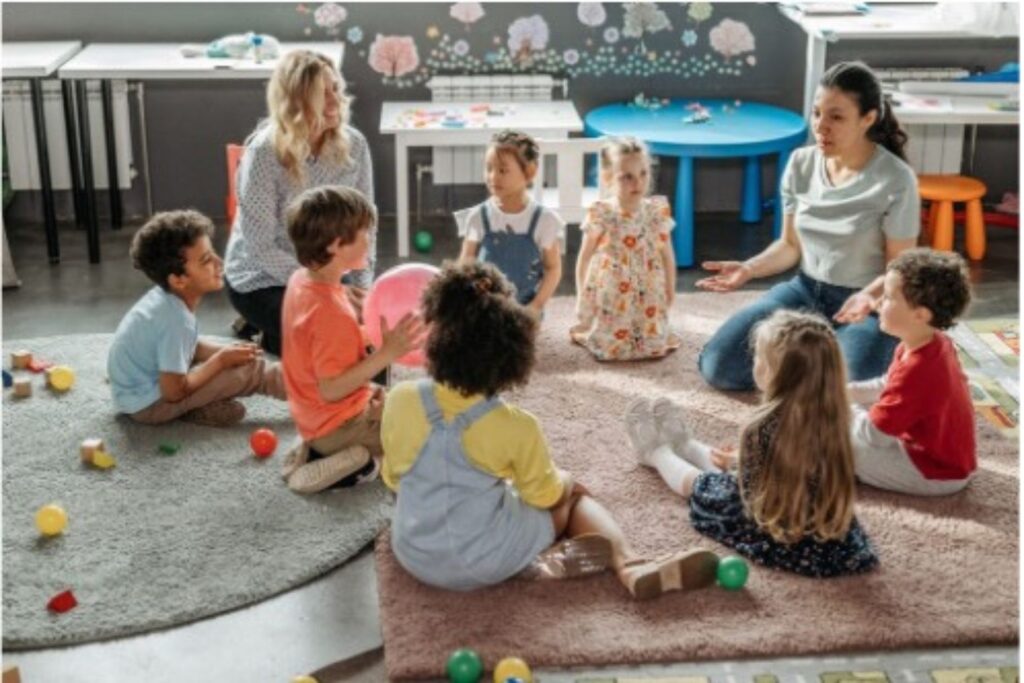
In Austria, pre-school education plays an important role in giving children a healthy start to their educational journey. Municipal kindergartens are free of charge, and children are generally educated in these facilities from the age of three.
This helps parents better balance their professional and private lives. In addition, state support of up to 80% can also make private kindergartens more affordable for families.
In this way, Austria ensures that children have access to high-quality education from an early age.
Early education plays an important role in Austria in giving children a strong start in their development and education. Kindergartens promote social skills, language development, independence and early learning processes from a young age.
Public childcare services are particularly affordable in many areas and are sometimes available free of charge. In addition, depending on the federal state, families may also receive financial support for private childcare costs.
This makes it easier for parents to balance work and family life, while children grow up from the beginning in a supportive and safe environment.
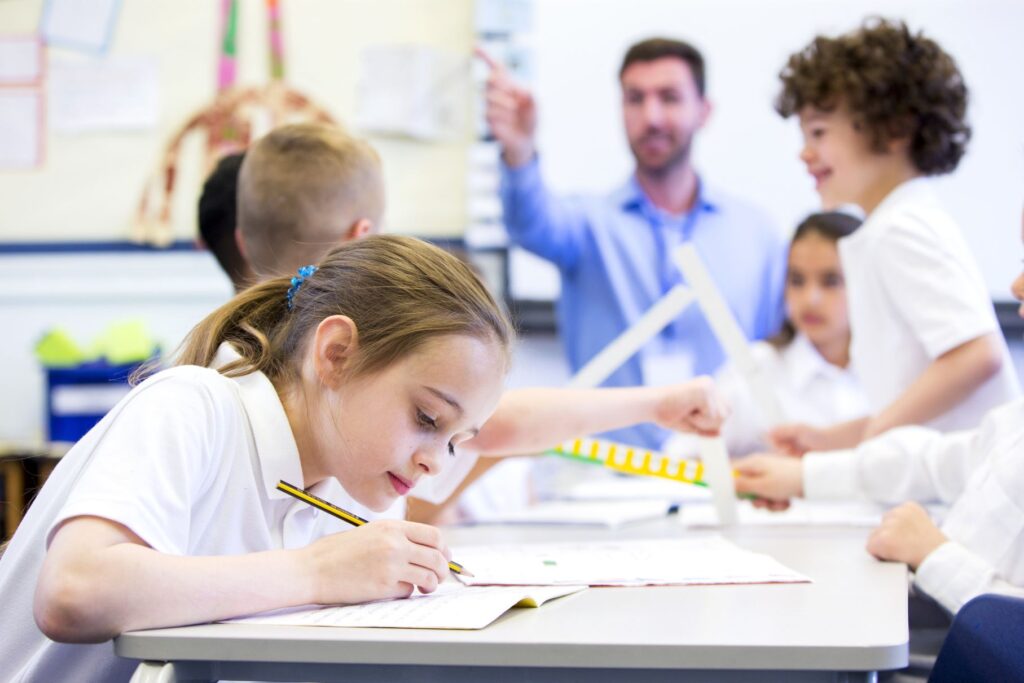
In Austria, compulsory schooling begins at the age of six and lasts for a total of nine years. After four years of primary school, children move on to a secondary school, which opens up different educational pathways.
Depending on their interests, abilities and future plans, pupils can choose between general academic and vocationally oriented types of school. Academic secondary schools primarily prepare pupils for higher education and university studies, while vocational schools provide practice-oriented knowledge and facilitate entry into the labour market.
In this way, the Austrian education system combines theoretical knowledge with practical skills and creates a solid foundation for personal and professional development.
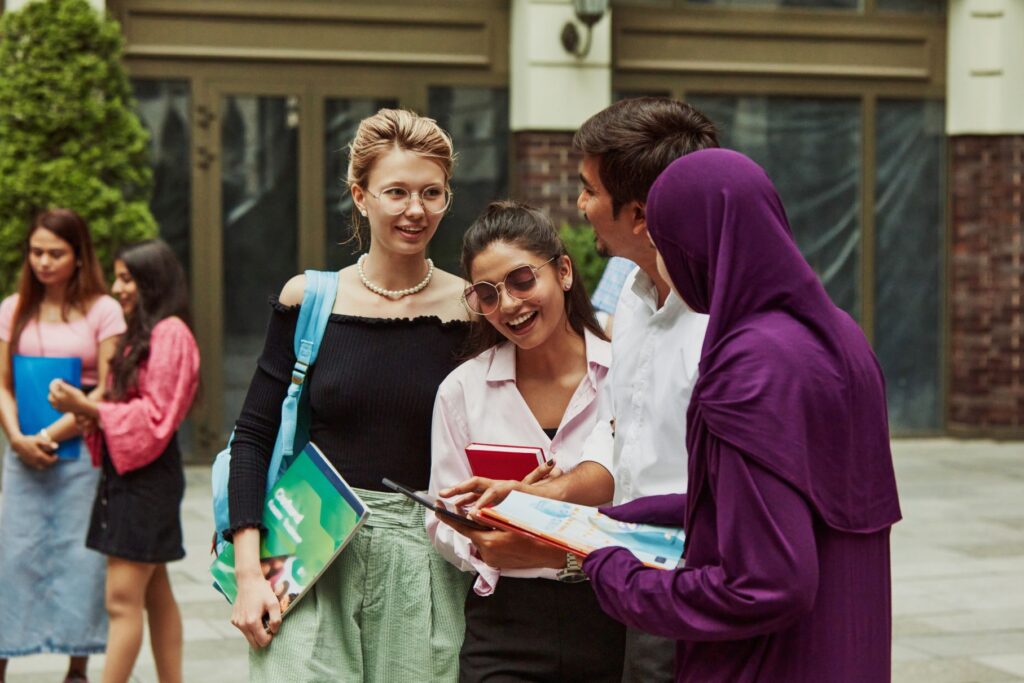
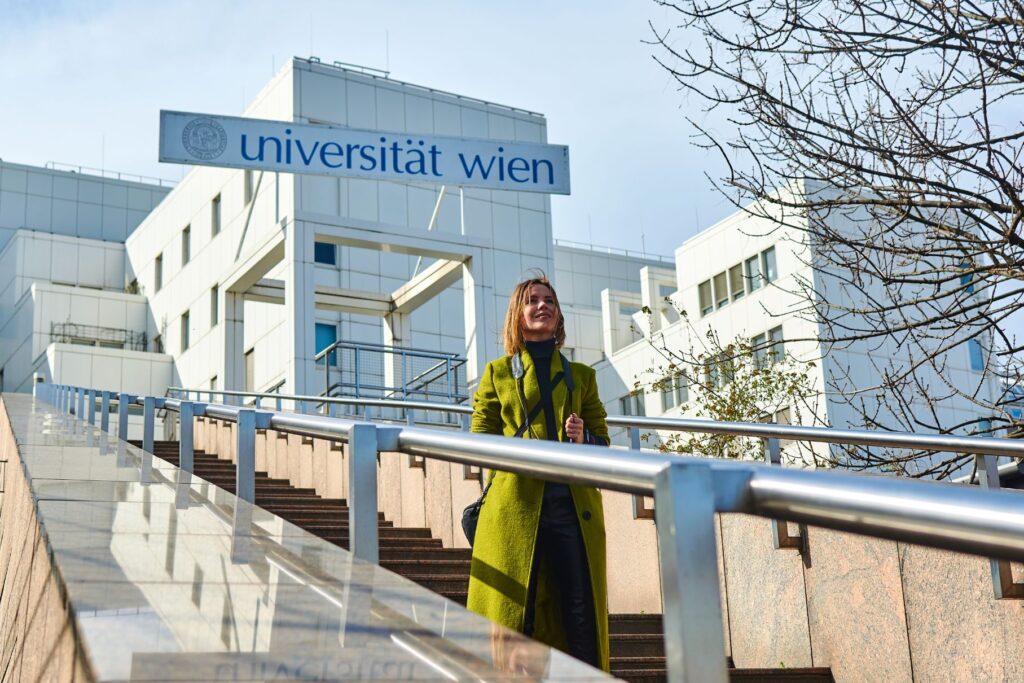
Austria has an established higher education system with universities that enjoy an excellent international reputation. Particularly in cities such as Vienna, Innsbruck, Graz and Salzburg, students can choose from a wide range of study programmes in a modern and culturally attractive environment.
Public universities in Austria offer comparatively affordable study conditions, making the country attractive for international students as well. In addition to receiving a sound academic education, students benefit from cultural opportunities, social exchange and an environment that promotes personal development and international perspectives.
Austria places great importance on foreign language education and international learning. English, in particular, plays an important role in schools, universities and professional life and is complemented by further language offerings.
Many educational institutions provide a wide range of foreign language programmes that specifically prepare pupils and students for an international environment. This creates favourable conditions for those who wish to expand their language skills and later pursue international study or career paths.
Austria places strong emphasis on equal opportunities in education and supports families in many different ways. Public education and childcare services are free of charge or particularly affordable in many areas, giving children good starting conditions regardless of their background.
In addition, various forms of funding and support are available to ease the burden on families in everyday school life and to facilitate children’s access to education.
In this way, Austria creates a stable environment in which young people can develop their abilities and gradually grow into a successful future.
Pre-school education in Austria plays an important role in ensuring that children get a healthy start to their education. Municipal kindergartens are free of charge and children usually start attending them at the age of three. This helps parents to better balance their work and private lives. Additionally, with the government providing 80% support, private kindergartens also become accessible to families. This ensures that children in Austria receive a quality education from an early age.
Education in Austria begins with compulsory primary school education at the age of 6 and continues for 9 years. Primary education lasts for 4 years and then students move on to secondary school. In secondary school, students can choose between different programmes that focus on academic or vocational skills.
In secondary education, students tend to enrol in Gymnasium schools, where they receive a more academic education, while schools offering vocational education are also quite common. These schools enable students to transition more quickly into the labour market. The Austrian education system provides students with not only academic knowledge but also practical skills, giving them a solid foundation for their future careers.
Austria has a well-established higher education system and its universities are renowned worldwide. Universities in major cities such as Vienna, Innsbruck and Salzburg offer attractive educational opportunities for both local and foreign students.
State universities in Austria attract attention with their low tuition fees and are among the most affordable higher education options in Europe. This makes Austria an attractive option for foreign students who want to study. Universities offer students comprehensive development opportunities not only through academic education but also through cultural and social activities.
Austria is also quite comprehensive in terms of foreign language education. The demand for foreign languages such as English is increasing day by day, especially in large cities. Many schools and universities offer various foreign language programmes to equip students with language skills that will enable them to compete at an international level. This makes Austria an ideal country for students who want to learn languages and pursue an international career.
Austria aims to ensure equal opportunities in education and provides significant support to families. Municipal kindergartens are free of charge for pre-school education. In addition, the state provides all the necessary equipment for children to start their education. As a result, every student who wants to study in Austria can take firm steps towards their future with the support they need.
For further information or individual consultation, please feel free to contact us.